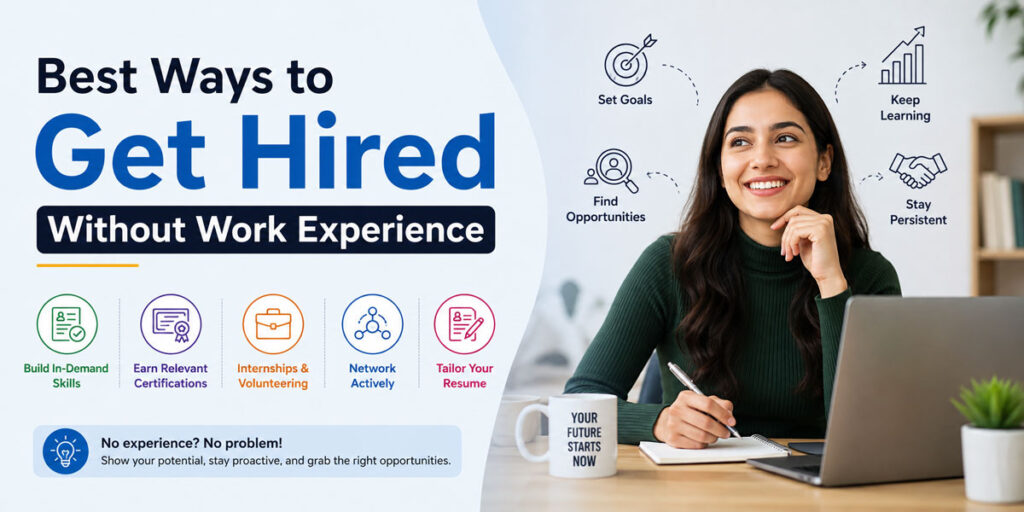
One of the biggest challenges for students, graduates, career changers, and other job seekers is getting opportunities when their professional experience is limited. Many job descriptions ask for previous experience, which can make it difficult to know where to start.
However, having limited work experience doesn’t mean you have nothing to show employers. Your skills, education, academic projects, certifications, internships, freelance work, volunteer activities, and personal projects can all demonstrate your ability.
The key is to move the focus away from simply asking, “How much experience do I have?” and toward a more valuable question: “What evidence can I show that I can do this work?”
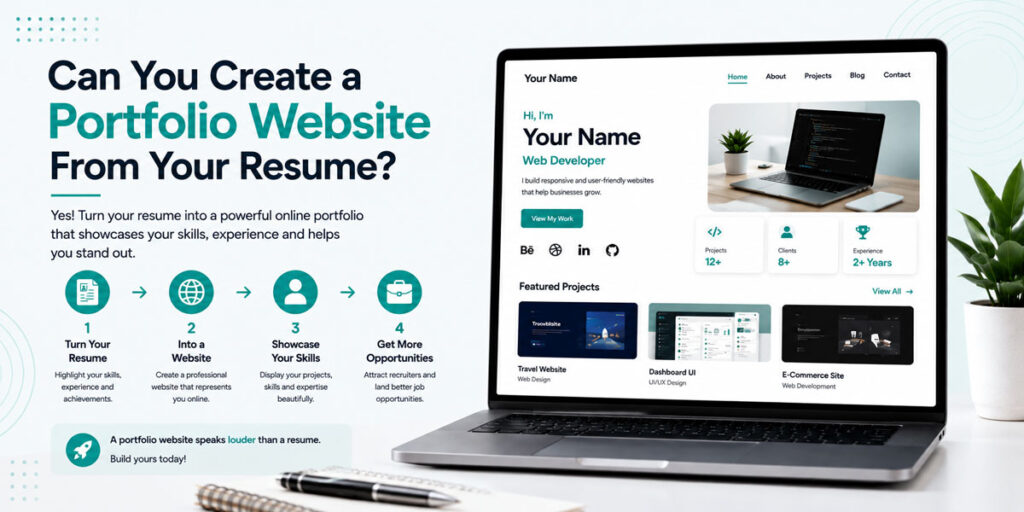
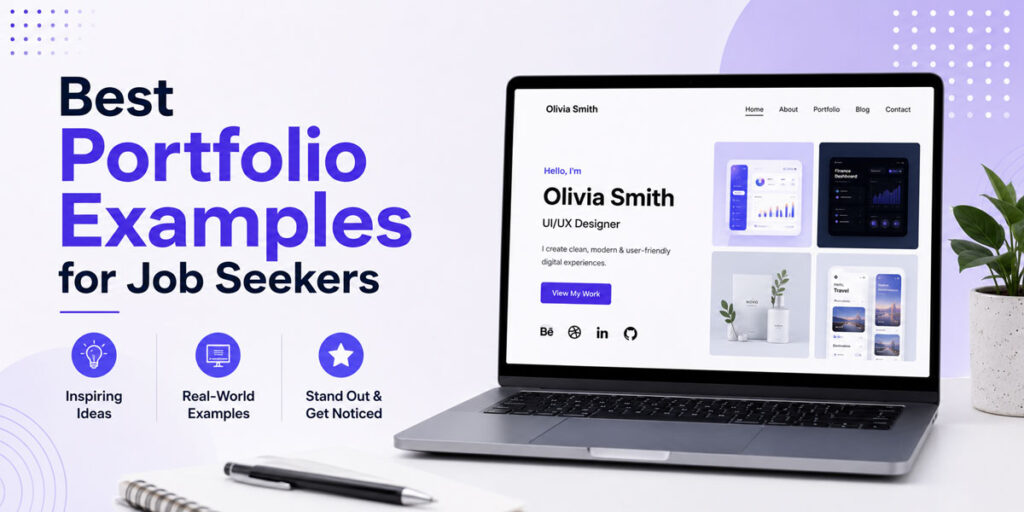
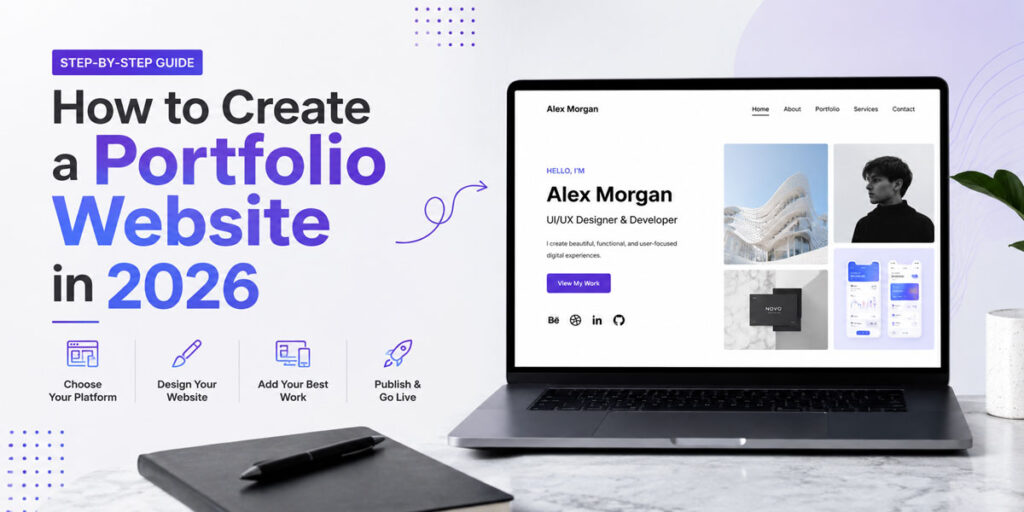
A strong resume, professional online presence, relevant projects, and portfolio website for job seekers can help you communicate that value more effectively.
Build Skills That Match the Jobs You Want
The first step is to understand what employers are actually looking for in your target role.
If you’re interested in web development, identify the technologies and development skills that frequently appear in relevant job descriptions. If you’re interested in marketing, look at skills such as SEO, content marketing, social media, paid advertising, analytics, and email marketing.
Instead of trying to learn everything at once, focus on developing a practical set of skills that directly connects to the type of work you want.
Employers are more likely to recognize your capabilities when your skills are supported by examples. That’s why learning a skill and actually applying it through a project can be much more valuable than simply adding the skill to your resume.
Build Projects That Demonstrate Your Skills
If you don’t have professional experience, projects can provide an alternative way to demonstrate your abilities.
A web developer can create a website or application. A designer can develop branding concepts or user interface designs. A marketer can create a sample campaign or SEO strategy. A data analyst can work with a public dataset and create a dashboard.
These projects don’t necessarily have to be paid client projects.
What matters is that they demonstrate your ability to take knowledge and apply it to a real problem or practical situation.
When you showcase projects, explain the purpose of the project, your approach, the tools you used, your role, and the outcome. This provides much more value than simply listing a project title.
Create a Professional Portfolio
A professional portfolio website can become particularly important when your employment history is limited.
Your resume may have only a small experience section, but your portfolio can showcase the projects, skills, certifications, education, achievements, and other experiences that demonstrate your capabilities.
For example, a student applying for a software development position could showcase academic projects, personal applications, coding projects, GitHub repositories, and technical certifications.
Similarly, someone applying for a marketing role could showcase SEO work, social media campaigns, content projects, sample strategies, and analytics reports.
The portfolio doesn’t need to hide your lack of professional experience. Instead, it gives you a way to demonstrate the skills you have developed.
Make Your Academic Projects Work for You
Students often overlook academic projects when preparing for job applications.
A college project can demonstrate problem-solving, technical knowledge, research, teamwork, communication, and project management. The value depends largely on how you present it.
Instead of writing only the project title, explain what problem you were solving, what your responsibilities were, what tools you used, and what the final outcome was.
If the project is available online, include a link. If it has visual elements, add screenshots or images to your portfolio.
This turns an ordinary academic assignment into a piece of evidence that can support your professional profile.
Gain Experience Through Internships and Freelance Projects
Professional experience doesn’t always begin with a full-time position.
Internships can provide practical exposure while helping you understand how professional teams operate. Freelance projects can demonstrate that clients trusted you with real responsibilities.
You can also consider volunteering your skills for organizations, student communities, startups, or small businesses where appropriate.
Even relatively small projects can become valuable additions to your portfolio if they demonstrate relevant skills and meaningful contributions.
The goal is to gradually build a body of work that supports your professional claims.
Build a Strong Resume
Your resume should communicate your strongest qualifications rather than simply emphasizing the fact that you haven’t worked professionally yet.
If your experience section is limited, give appropriate attention to projects, education, skills, certifications, internships, achievements, and relevant activities.
You should also customize your resume for the role you’re applying for.
If the job description emphasizes SEO, for example, make your SEO-related projects and skills easy to find. If the position requires WordPress development, highlight relevant websites or projects you’ve created.
This approach helps recruiters see the connection between your background and the role.
Strengthen Your LinkedIn Profile
Your LinkedIn profile is another important component of your professional online presence.
Make sure your headline clearly communicates your skills or professional direction. Add relevant projects, education, certifications, skills, and experience.
Your profile should also connect naturally with your personal portfolio website.
When your resume, LinkedIn profile, and portfolio contain consistent information, they create a stronger overall professional identity.
Get Your Profile Noticed by Recruiters
Recruiters may review dozens or even hundreds of candidates for certain positions. Making your professional information easy to access can therefore be valuable.
A personal portfolio URL gives recruiters one destination where they can explore your projects, skills, education, and achievements.
Instead of sending a resume along with several separate links, you can provide one professional profile that brings relevant information together.
You can add your portfolio URL to your resume, LinkedIn profile, email signature, job applications, and other professional platforms.
Build a Personal Brand Before You Have a Job
Personal branding isn’t only for influencers or entrepreneurs.
For job seekers, personal branding simply means building a consistent professional identity and demonstrating your expertise online.
You can share projects you’ve completed, discuss what you’re learning, publish useful insights, contribute to professional communities, or showcase your work on platforms relevant to your industry.
For example, developers can share projects on GitHub and LinkedIn. Designers can publish their work on portfolio platforms. Marketers can share campaign insights, SEO projects, and content.
Over time, these activities can help create a stronger professional online presence.
Don’t Wait Until You Have Experience to Build Your Portfolio
One of the biggest mistakes job seekers can make is waiting until they have professional experience before creating a portfolio.
Your portfolio should start developing while you’re learning.
Add your first meaningful project. Then add a certification. Then an internship. Then another project. Eventually, your portfolio becomes a record of your professional growth.
This approach also gives you something to share when applying for opportunities.
You don’t have to wait for an employer to give you experience before you start demonstrating what you can do.
Create a Portfolio That Shows Your Potential
CampusCV can help job seekers create a professional online profile where they can showcase their skills, projects, education, certifications, achievements, and experience.
Instead of relying entirely on an employment history that may still be developing, you can create a portfolio that demonstrates your skills and gives recruiters additional information about your capabilities.
Your portfolio can be customized and shared using a personal URL, making it easy to include in your resume, LinkedIn profile, and job applications.
What If You Have Absolutely No Experience?
If you have no formal work experience at all, start by identifying what you can demonstrate.
You can build personal projects, complete academic work, create case studies, earn relevant certifications, participate in competitions, volunteer your skills, or develop sample projects based on real-world problems.
The objective isn’t to create fake experience.
Instead, focus on building genuine evidence of your ability.
For example, if you want to become a digital marketer, create a sample SEO strategy for a fictional business and explain your approach. If you want to become a developer, build a functional application. If you want to become a designer, create a complete branding or UI/UX project.
These examples can demonstrate initiative, learning ability, and practical skills.
Final Thoughts
Getting hired without extensive work experience can be challenging, but your employment history is not the only thing that defines your professional potential.
Build relevant skills. Create practical projects. Showcase your academic work. Gain experience through internships or freelance opportunities. Strengthen your resume and LinkedIn profile. Most importantly, create a professional portfolio that gives recruiters evidence of what you can actually do.
A strong portfolio won’t guarantee a job, but it can give employers more information to evaluate than a resume alone.
If you’re ready to build a professional online presence, create your portfolio with CampusCV and give your skills, projects, and achievements a place to stand out.